
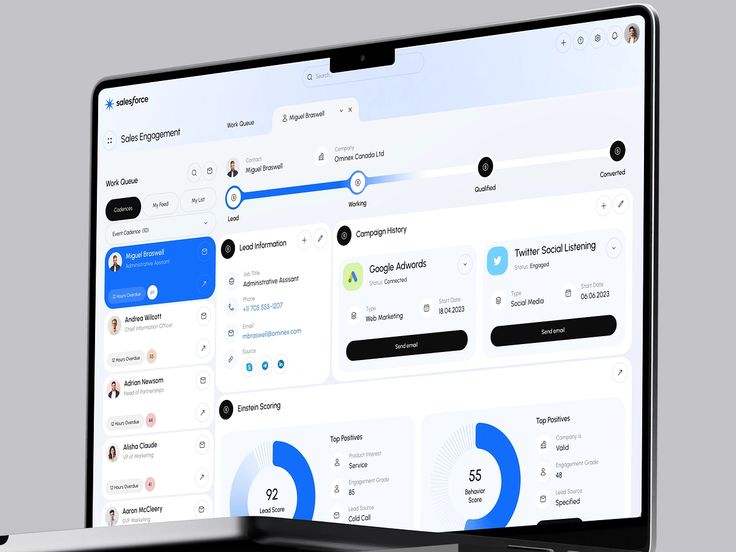
Software as a Service (SaaS) has become the dominant model for delivering software in the modern digital economy. Instead of installing applications on local systems, users access software through the cloud, making SaaS scalable, cost-effective, and highly accessible.
SaaS applications are hosted on cloud infrastructure and delivered via the internet. Popular examples include customer relationship management (CRM) tools, project management platforms, HR systems, and analytics software. Businesses typically pay subscription fees, reducing upfront investment.
One of the biggest advantages of SaaS is lower operational cost. Companies eliminate expenses related to hardware, software maintenance, and updates. SaaS providers manage infrastructure, security patches, and feature upgrades, allowing businesses to focus on core operations.
SaaS also offers scalability and agility. Organizations can add or remove users, upgrade plans, and deploy new features quickly. This flexibility is especially beneficial for startups and growing enterprises.

Remote accessibility is another major benefit. SaaS applications can be accessed from anywhere, supporting remote work and global collaboration. This has become essential in today’s distributed workforce environment.
Security and compliance remain top priorities for SaaS providers. Advanced encryption, role-based access control, and compliance certifications help protect sensitive business data. However, businesses must still perform due diligence when selecting vendors.
As AI and automation integrate deeper into SaaS platforms, the future promises smarter software that not only supports workflows but actively improves decision-making. SaaS will remain a cornerstone of digital transformation across industries.
